
Home Loans in Cape Town — Finance Your Dream Home
Cape Town is South Africa's most resilient property market and its most recognised global address. From Atlantic Seaboard apartments to family homes in the Southern Suburbs and value in the north, Cape Town has consistently outperformed national price growth.
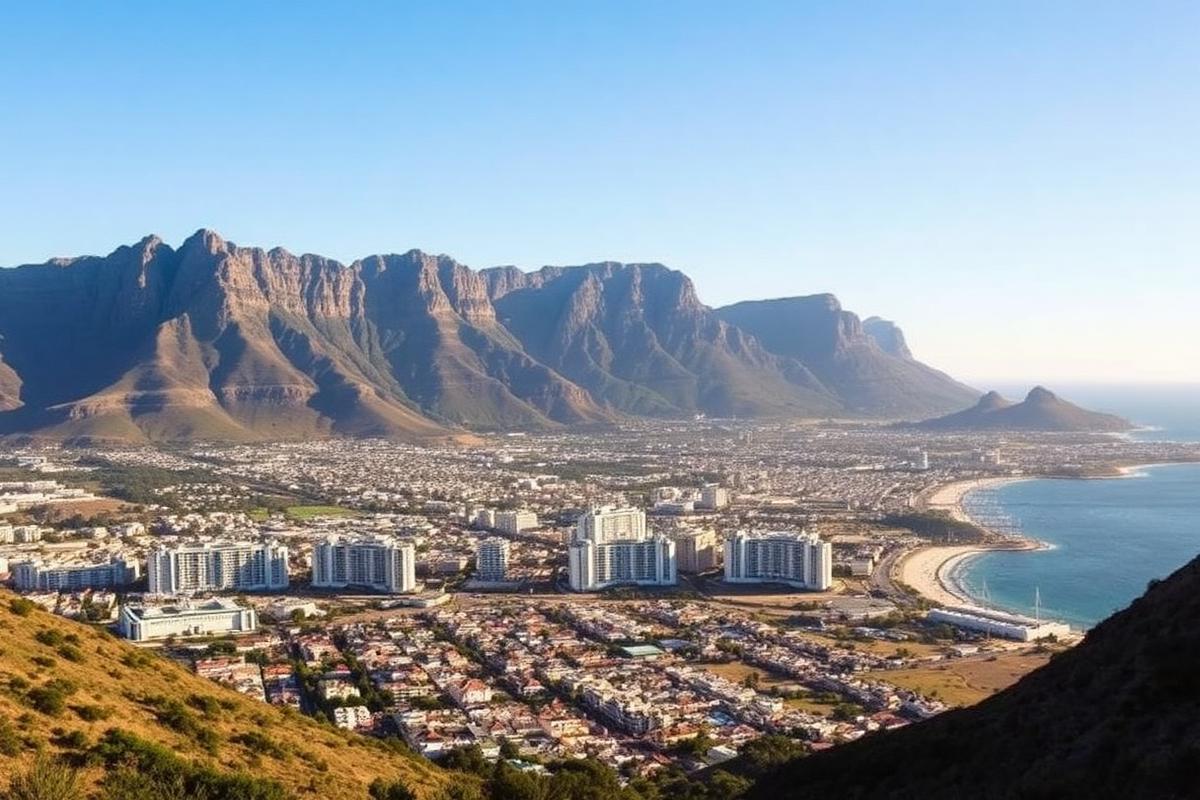
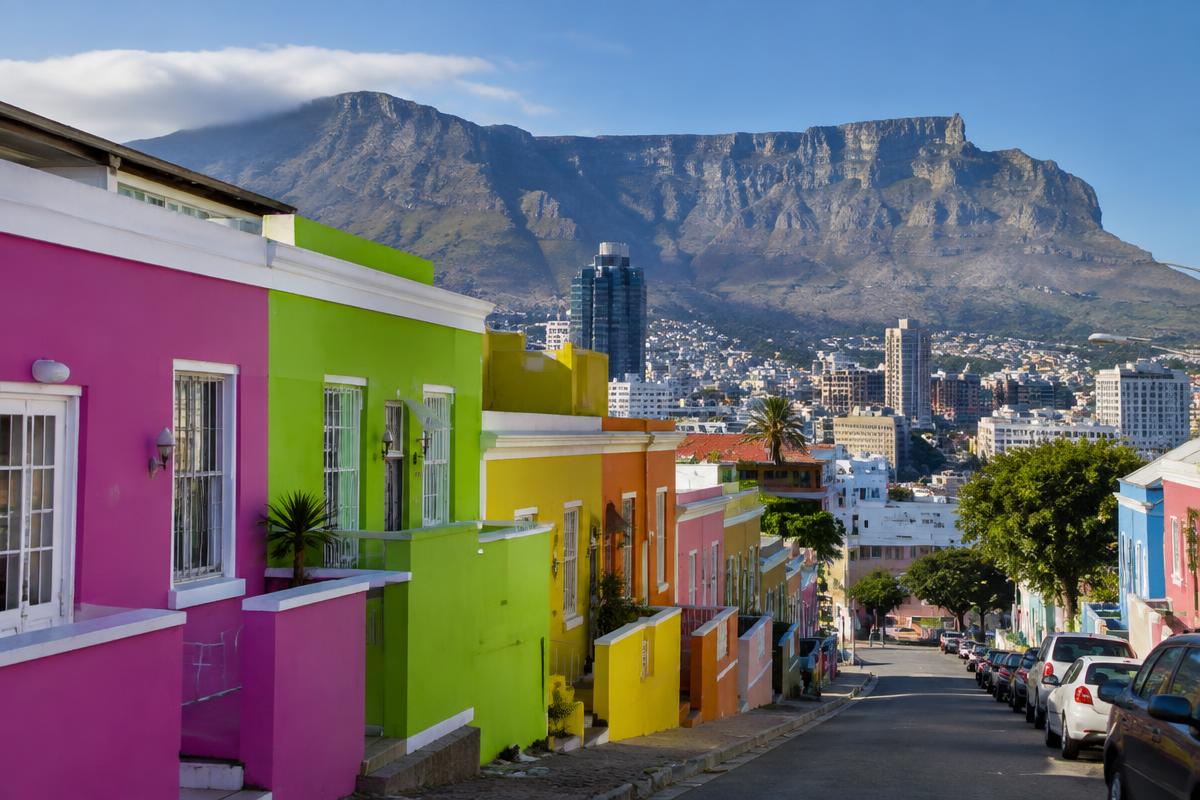
Cape Town in pictures
A look at Cape Town and the surrounding area.

Why property in Cape Town is considered a good buy
A quick view of what makes Cape Town work as a place to live and as a property investment.
- The strongest long-term capital growth record in South Africa
- International and semigration demand supporting values
- Deep short-term and long-term rental markets
- Limited land supply behind mountain and coast
Getting to know Cape Town
Culture and community
Layered and creative. Cape Malay heritage in the Bo-Kaap, jazz and design in the city bowl, a serious food and wine culture, and a population that organises life around the mountain and the sea.
History and heritage
Established in 1652 as a refreshment station, Cape Town carries almost four centuries of built heritage, from Company's Garden and the Castle to District Six and Robben Island, each shaping the city's neighbourhoods today.
Property market trends
Semigration continues to drive demand, with the Atlantic Seaboard, City Bowl, Southern Suburbs and Table View corridor all seeing sustained interest. Apartments with reliable power and water and short-term-let potential remain the strongest rental performers.
Natural beauty
Table Mountain National Park runs through the middle of the city. Beaches on two oceans, Cape Point, vineyards in Constantia and one of the most photographed skylines in the world.
Lifestyle and amenities
Excellent schools and universities, world-class hospitals, a mature remote-work economy, and mountain, beach and wine country all within half an hour.
Places worth visiting
- Table Mountain and Kirstenbosch
- V&A Waterfront and Robben Island
- Chapman's Peak Drive and Cape Point
- Constantia and Stellenbosch wine routes
- Bo-Kaap and District Six Museum
We can make your Cape Town dream home a reality
Speak to an originator who knows Cape Town
Tell us what you are looking for and we will match you with a vetted Gateway bond originator. One application, compared across leading South African banks, with expert guidance from pre-approval to registration.
Meet bond originators serving Cape TownWhat clients say about Gateway
Live reviews from our Google Business Profile, from clients across South Africa and Cape Town.
More about property in Cape Town
Read our local guides on the market, services and story behind Cape Town.
House price trends in Cape Town: what is driving property values
What buyers, sellers and investors should understand about how Cape Town property prices move, and the local forces behind them.
Read articleSchools and healthcare in Cape Town — and how they support property prices
Education and medical care are two of the quietest, strongest supports under Cape Town property values. Here is how they shape demand.
Read articleThe history of Cape Town: culture, development and facts worth knowing
How Cape Town grew into the town it is today — the people, the heritage and the details that still shape its streets and its property market.
Read articleGet Your Free Home Loan Pre-Approval
One online application, compared across leading South African banks, with an experienced mortgage specialist guiding you from pre-approval to registration.
Start my free pre-approvalCape Town home loan questions
How much deposit do I need in Cape Town?
Many buyers still qualify for 100% bonds, but on higher-value Cape Town property a 10% to 20% deposit usually secures a materially better rate. Our deposit calculator shows the impact.
Can foreign nationals buy in Cape Town?
Yes. Foreign buyers can own property in South Africa. Non-resident bond finance is typically limited to around 50% of the purchase price. Gateway originators handle these applications regularly.
Is a sectional title apartment a good first purchase?
It often is, given lower entry prices, security and rental demand. Remember to include levies in your affordability calculation, because banks do.
What buyers in Cape Town are searching for
The finance questions and search terms we see most often from people buying property in Cape Town, Western Cape.
Who you will deal with when you buy in Cape Town
The local services involved in a property purchase, and what to ask each one for.
Bond originator
Your Gateway originator for Cape Town — one application submitted to multiple South African banks, with the offers compared side by side.
Ask for a written comparison of rate, loan-to-value and term from every bank that responds.
Estate agents
Local agencies operating in Cape Town know suburb-level pricing and which stock actually sells.
Ask for recent registered transfer prices of comparable homes, not asking prices.
Conveyancing attorneys
Transfer and bond attorneys handle the legal transfer of ownership and lodge at the deeds office serving Western Cape.
Ask for a full cost estimate covering transfer duty, bond registration and deeds office fees.
Bank branches
The major lenders all serve Cape Town, either through local branches or regional business centres.
Ask what they can offer, then compare it against the multi-bank offers your originator gathers.
Property valuers and inspectors
An independent valuation or home inspection tells you what a Cape Town property is really worth and what it will cost to maintain.
Ask for a written report covering roof, damp, electrics and plumbing before you sign.
Municipality and rates
Your local municipality issues the rates clearance certificate needed before transfer can be registered in Cape Town.
Ask the seller for up-to-date rates and service accounts early — clearance delays hold up transfer.
Short-term insurance and life cover
Banks require buildings insurance, and bond protection or life cover is often part of the loan conditions.
Ask for quotes from more than one insurer rather than defaulting to the bank's in-house product.
Home movers and contractors
Movers, security installers and renovation contractors working in Cape Town handle everything after registration.
Ask for references from recent local jobs and fixed written quotes.
Buying and financing in Cape Town: common questions
Do you have a bond originator working in Cape Town?
Yes. Gateway matches you with a vetted originator who works with buyers in Cape Town and the surrounding Western Cape areas. They handle one application on your behalf and compare the offers that come back from the banks.
How long does a home loan application take in Cape Town?
A free pre-approval takes about two minutes online. A full application submitted to the banks usually returns offers within a few working days, after which transfer and bond registration typically run six to twelve weeks depending on the conveyancers and the deeds office serving Cape Town.
Which banks lend on property in Cape Town?
All the major South African lenders consider property in Cape Town, but their appetite differs by suburb, property type and valuation. Submitting one application to several banks at once is the simplest way to see who is competitive on your specific purchase.
What deposit do I need to buy in Cape Town?
Many buyers qualify for a 100% bond subject to affordability and credit record, so a deposit is not always required. A deposit of 10% or more usually improves the interest rate a bank is willing to offer, so it is worth comparing both scenarios before you decide.
Can I finance a vacant stand or building project in Cape Town?
Yes. Vacant land and building loans work differently to a standard bond, with lower loan-to-value limits and staged payouts against build progress. Your Cape Town originator will tell you upfront which lenders are active on plot-and-plan finance in the area.
Does applying affect my credit score?
The free Gateway pre-approval uses a bureau check that does not harm your score. A formal application to the banks does register an enquiry, which is why it pays to apply once through an originator rather than approaching several banks yourself.