How Ballito began
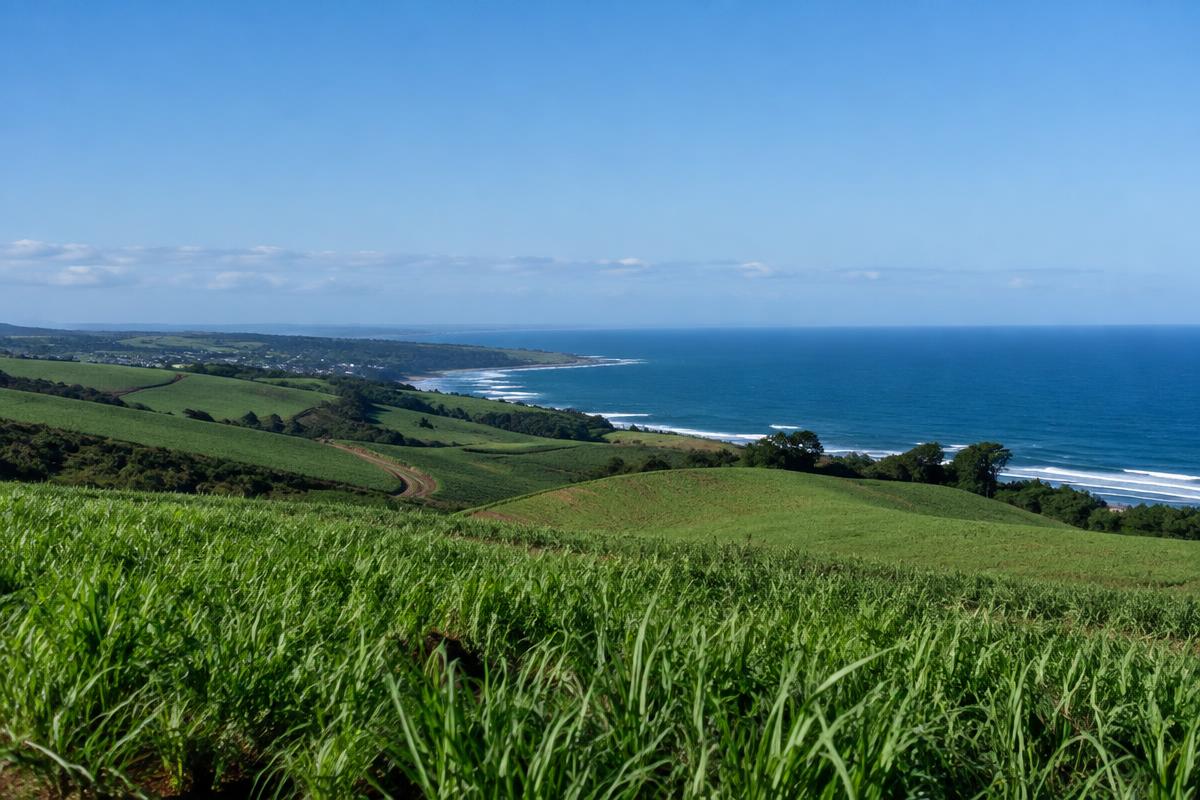
Once a sugar-farming coastline and quiet holiday strip, Ballito transformed after the airport and freeway upgrades into one of South Africa's fastest-growing towns.
Every town carries its origins in its layout. Older streets, original erven and heritage buildings usually mark the first settled core, and in Ballito that core still influences plot sizes, building lines and the character buyers pay a premium for.
The cultures that shape daily life
Modern, family-oriented coastal living with beach clubs, shopping centres, private schools and a strong semigration community from Gauteng.
Community life is part of what makes a place liveable rather than merely affordable. Markets, sports clubs, churches, schools and local businesses create the networks that keep residents in an area for decades — and long-tenure ownership is one of the clearest signs of a healthy residential market.
Development through the years
Ballito did not grow evenly. Periods of expansion followed economic shifts, new transport links, tourism and, more recently, remote work and semigration. High demand for estate living in Simbithi, Zimbali and Seaward, plus a deep apartment market. New nodes such as Sheffield and Salt Rock continue to expand.
For buyers, that history is practical information. It explains why certain suburbs have large stands and mature trees while others offer newer, more secure and lower-maintenance homes, and it hints at where the next phase of growth is likely to land.
Natural setting and landmarks
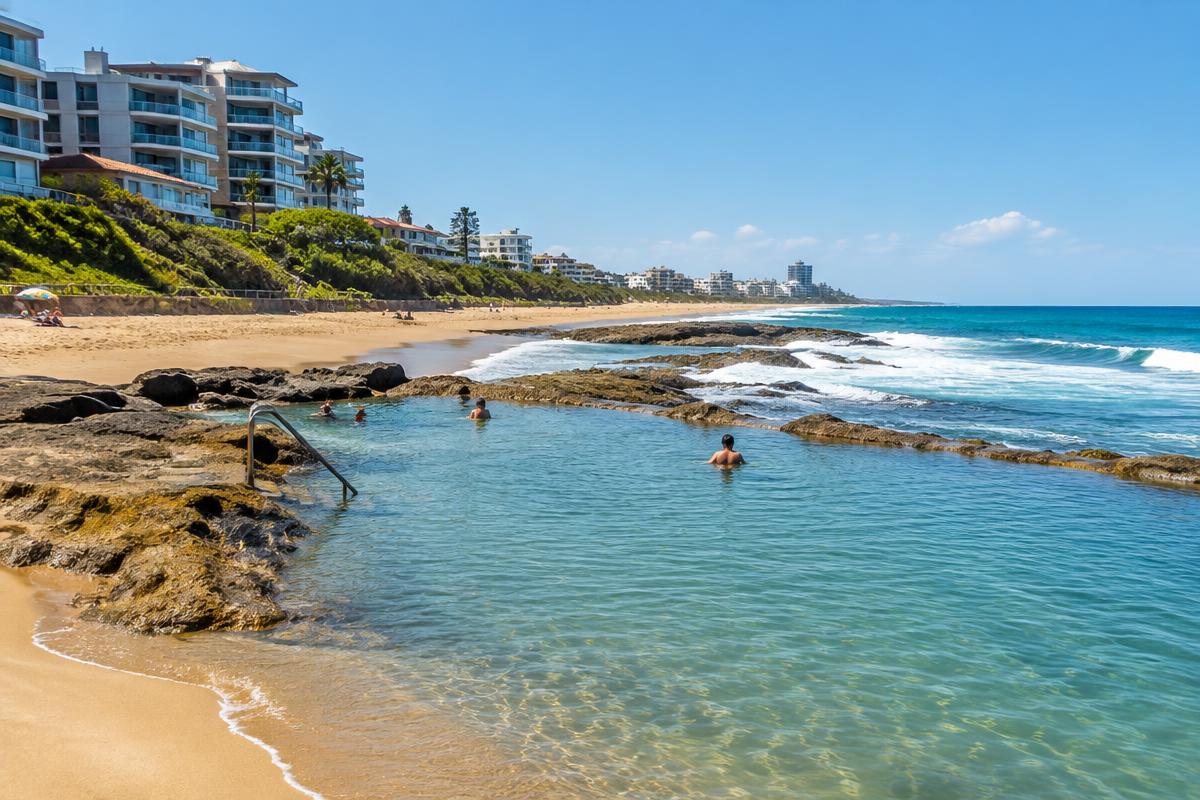
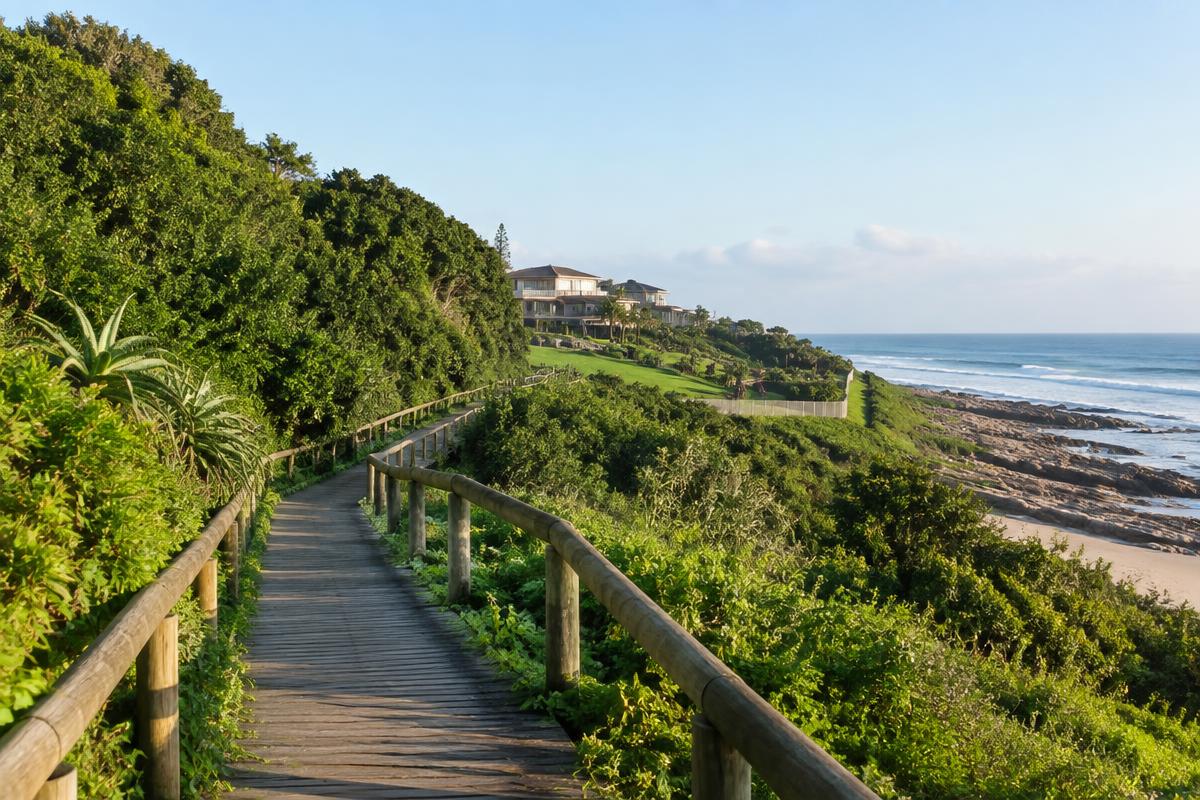
Warm Indian Ocean swimming beaches, coastal forest, tidal pools and sugar-cane hills rolling inland.
- Ballito beaches and the promenade
- Zimbali coastal forest
- Salt Rock and Sheffield Beach
- Umhlanga and Durban
- Tala and Nkwazi game experiences
Buying into Ballito
Heritage, character and setting are exactly the things that cannot be rebuilt elsewhere, and they are a large part of why property here holds long-term appeal. If you have found the home you want in Ballito, Gateway can arrange the finance: one application, compared across leading South African banks, with an originator who understands local valuations and lender appetite in KwaZulu-Natal.