How Johannesburg began
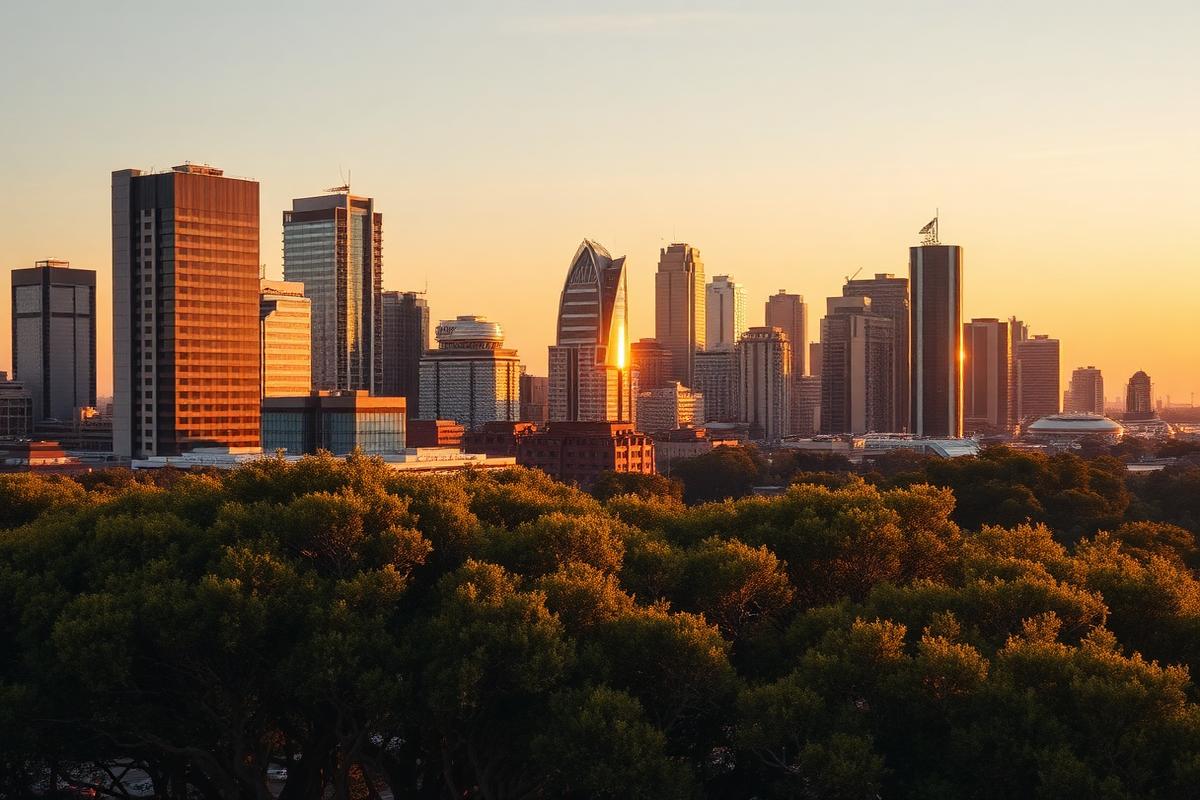
Founded on the 1886 Witwatersrand gold rush, Johannesburg went from mining camp to continental financial capital in a century. Its history of struggle and reinvention is written into Soweto, Constitution Hill and the inner city's ongoing regeneration.
Every town carries its origins in its layout. Older streets, original erven and heritage buildings usually mark the first settled core, and in Johannesburg that core still influences plot sizes, building lines and the character buyers pay a premium for.
The cultures that shape daily life
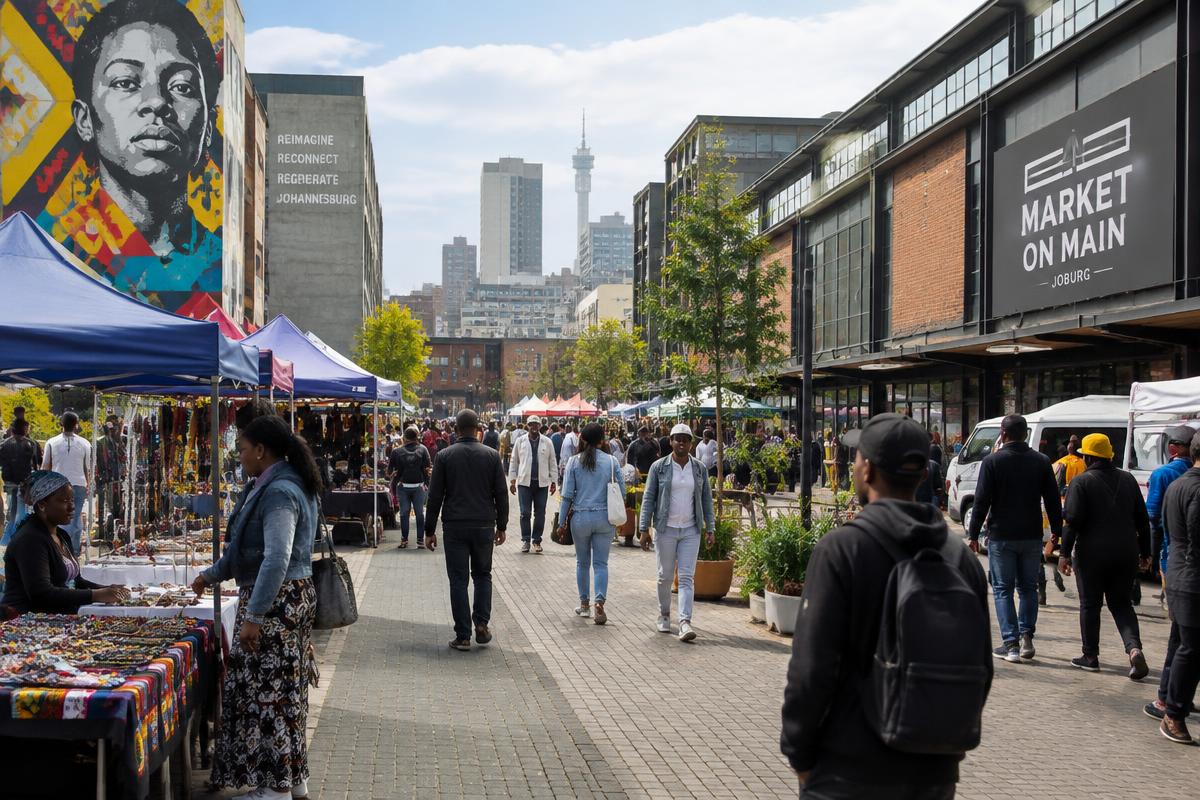
Fast, creative and endlessly diverse. Joburg is the home of South African music, fashion, food and enterprise, with a restless energy that shows up in Maboneng galleries, Rosebank markets, Soweto's heritage routes and Sandton's boardrooms.
Community life is part of what makes a place liveable rather than merely affordable. Markets, sports clubs, churches, schools and local businesses create the networks that keep residents in an area for decades — and long-tenure ownership is one of the clearest signs of a healthy residential market.
Development through the years
Johannesburg did not grow evenly. Periods of expansion followed economic shifts, new transport links, tourism and, more recently, remote work and semigration. Sectional-title and secure estate living continue to lead demand, especially in Fourways, Midrand, Bryanston and Linden. Buyers are prioritising fibre, backup power and water, and well-located apartments near the Gautrain remain strong rental performers.
For buyers, that history is practical information. It explains why certain suburbs have large stands and mature trees while others offer newer, more secure and lower-maintenance homes, and it hints at where the next phase of growth is likely to land.
Natural setting and landmarks
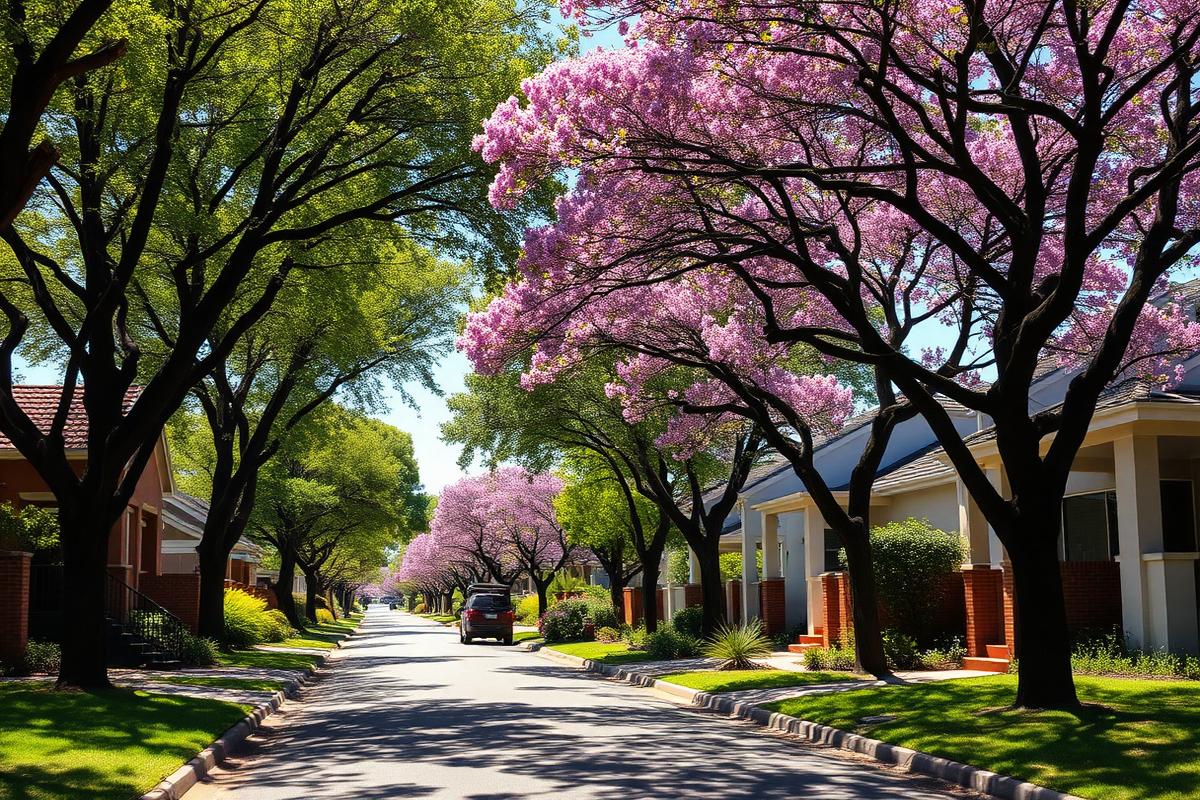
The world's largest man-made urban forest. Jacaranda-lined streets in October, big highveld thunderstorms, and green suburbs like Parkhurst, Melville, Emmarentia and Northcliff with their ridges and dams.
- Apartheid Museum and Constitution Hill
- Maboneng and Victoria Yards
- Soweto, Vilakazi Street and the Hector Pieterson Museum
- Walter Sisulu National Botanical Garden
- Cradle of Humankind and Magaliesberg
Buying into Johannesburg
Heritage, character and setting are exactly the things that cannot be rebuilt elsewhere, and they are a large part of why property here holds long-term appeal. If you have found the home you want in Johannesburg, Gateway can arrange the finance: one application, compared across leading South African banks, with an originator who understands local valuations and lender appetite in Gauteng.