How King William's Town began
Founded as a mission station in 1826 on the Buffalo River, it became a frontier military and trading town and is closely associated with Steve Biko.
Every town carries its origins in its layout. Older streets, original erven and heritage buildings usually mark the first settled core, and in King William's Town that core still influences plot sizes, building lines and the character buyers pay a premium for.
The cultures that shape daily life
A blend of isiXhosa and settler heritage with famous schools, church halls, rugby and a strong sense of local history.
Community life is part of what makes a place liveable rather than merely affordable. Markets, sports clubs, churches, schools and local businesses create the networks that keep residents in an area for decades — and long-tenure ownership is one of the clearest signs of a healthy residential market.
Development through the years
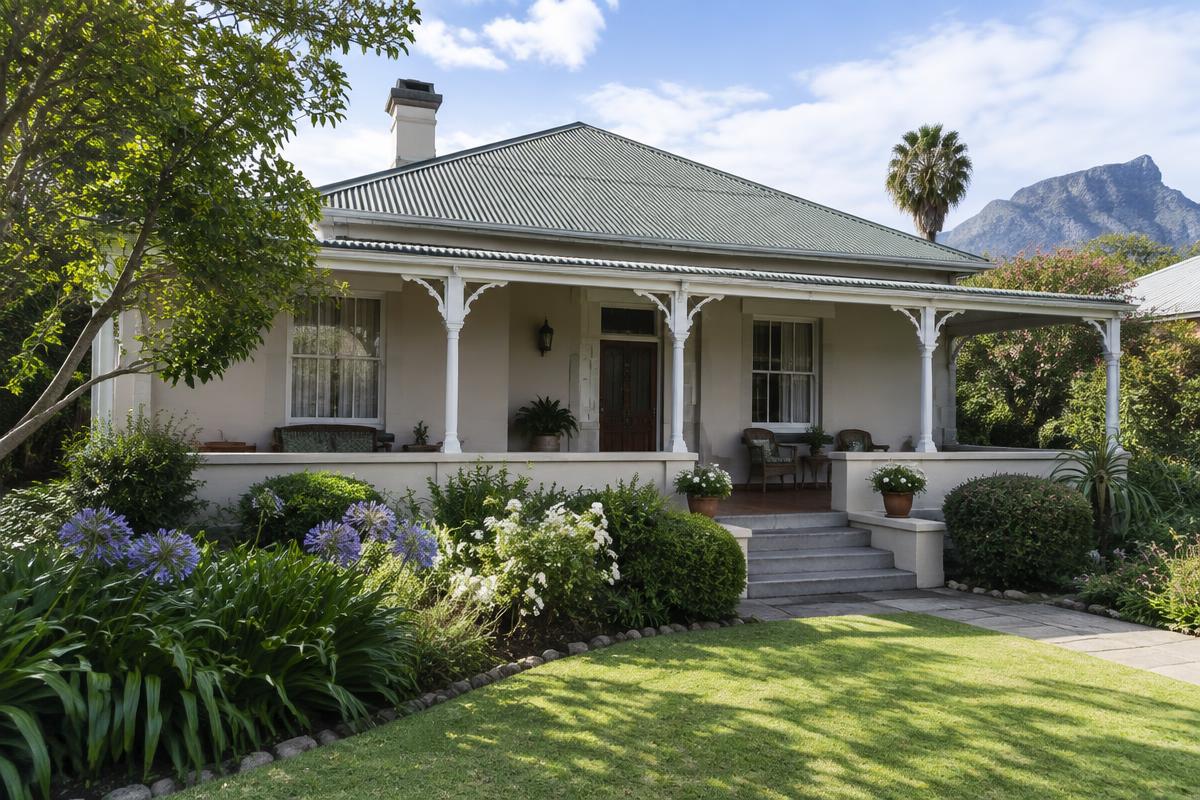
King William's Town did not grow evenly. Periods of expansion followed economic shifts, new transport links, tourism and, more recently, remote work and semigration. Affordable character homes, steady rental demand from government and school staff, and buyers priced out of East London looking inland.
For buyers, that history is practical information. It explains why certain suburbs have large stands and mature trees while others offer newer, more secure and lower-maintenance homes, and it hints at where the next phase of growth is likely to land.
Natural setting and landmarks
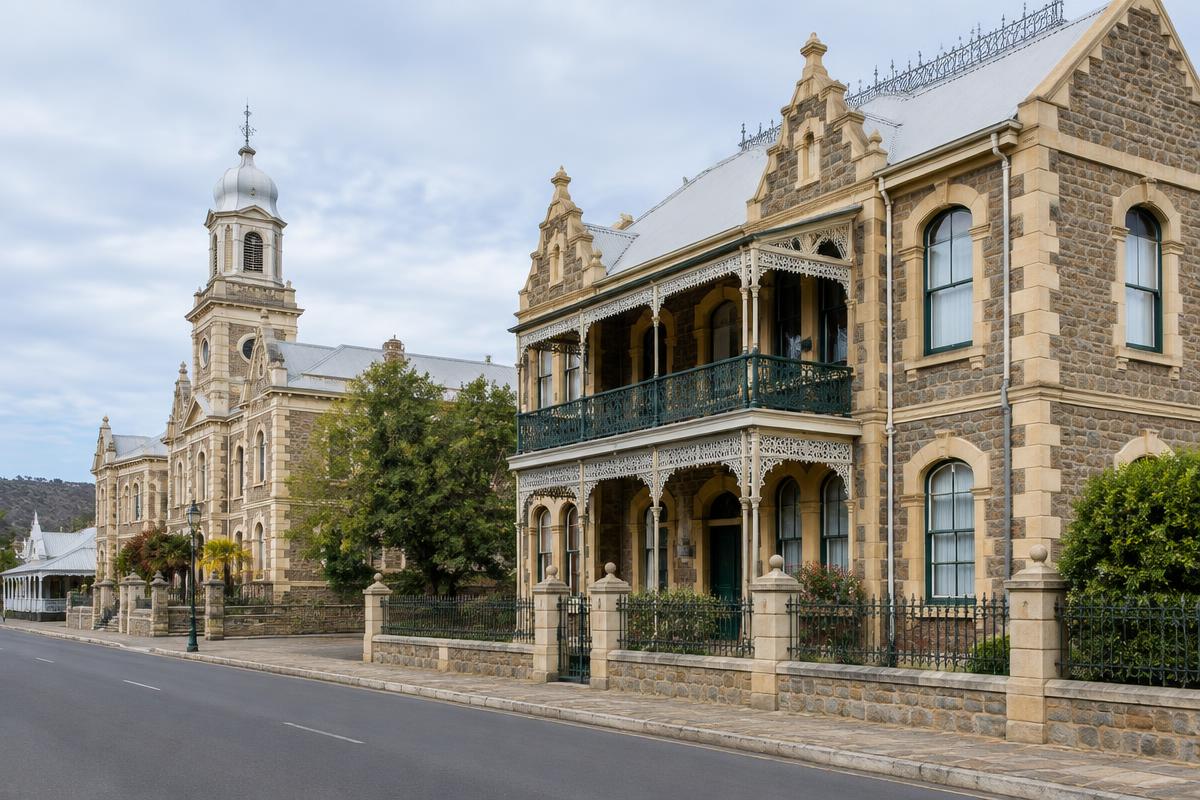
The Buffalo River, green Amathole hills, old stone architecture and farmland around the town.
- Amathole Museum
- Steve Biko Garden of Remembrance
- Buffalo River walks
- Amatola mountain trails
- Historic town centre architecture
Buying into King William's Town
Heritage, character and setting are exactly the things that cannot be rebuilt elsewhere, and they are a large part of why property here holds long-term appeal. If you have found the home you want in King William's Town, Gateway can arrange the finance: one application, compared across leading South African banks, with an originator who understands local valuations and lender appetite in Eastern Cape.