Where the King William's Town market sits today
Affordable character homes, steady rental demand from government and school staff, and buyers priced out of East London looking inland.
Prices in King William's Town do not move in isolation. They respond to who is buying, what stock is available and how much finance costs at the time. Understanding those three levers is usually more useful than tracking a single headline growth percentage, because it tells you whether the demand behind a price is durable or temporary.
What drives house prices in King William's Town
Several local forces do most of the work in setting values here:
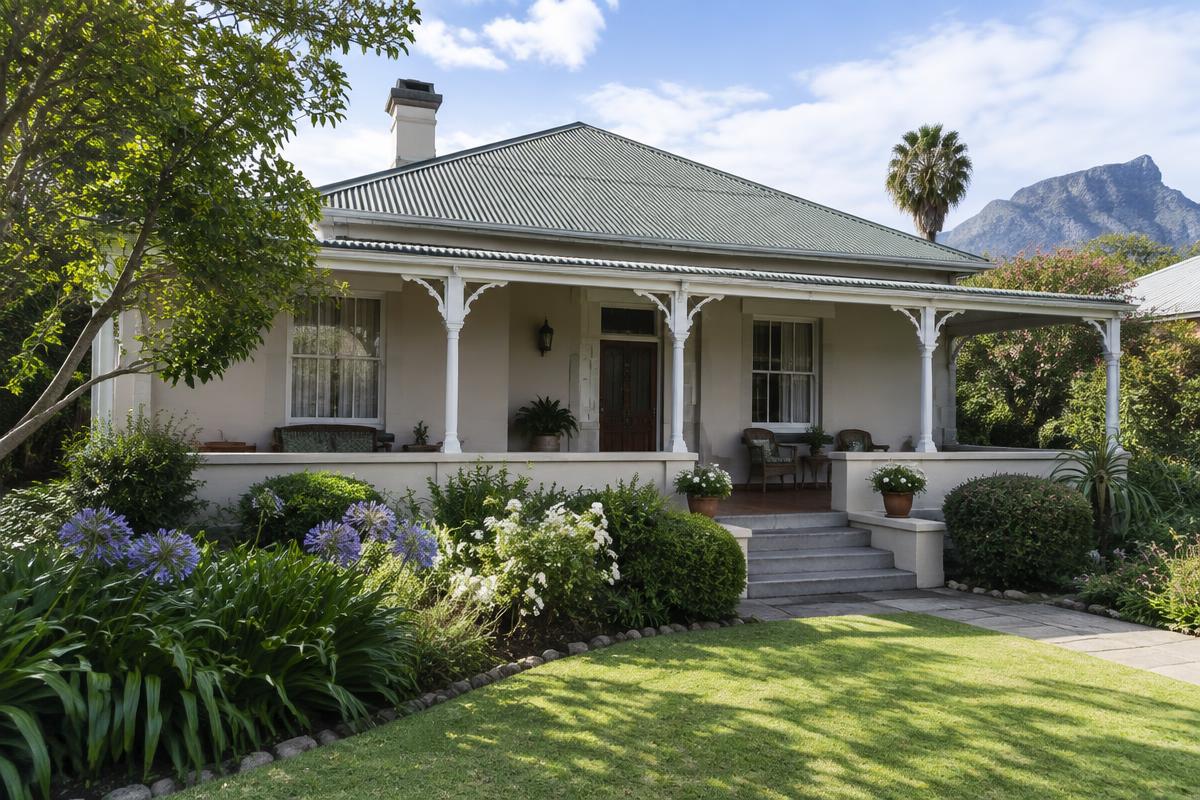
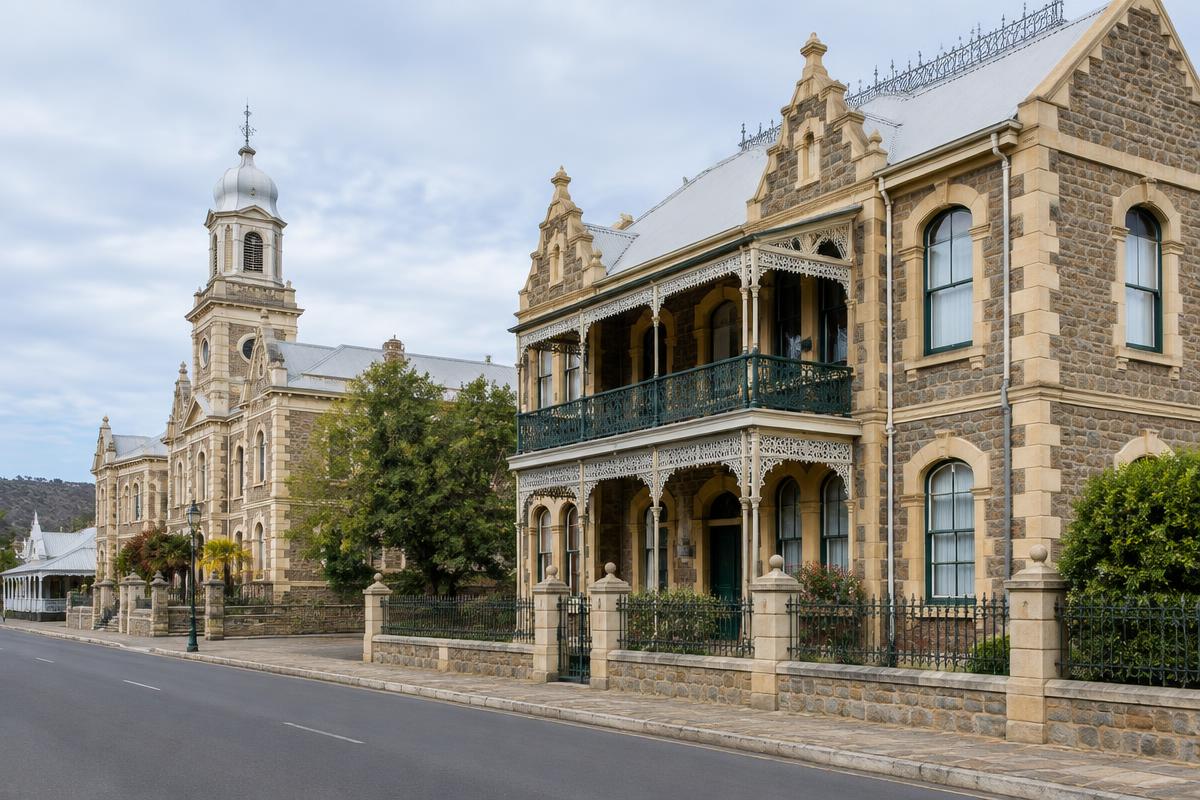
- Buyer demand and who is moving in — King William's Town is a historic Amathole centre with handsome older homes, good schools and property prices well below the coastal cities an hour away.
- Supply of well-located stock: limited land, protected areas or slow release of new developments keep values firm, while a wave of new units can flatten growth for a season
- Lifestyle appeal: Strong schooling, spacious old properties, low traffic and 55 kilometres to the beaches of East London.
- Interest rates and affordability — every repo rate change alters how much a qualifying buyer can borrow, which feeds directly into offer prices
- Infrastructure, safety and municipal service delivery, which strongly influence which suburbs of King William's Town outperform the town average
Why property here is considered a good buy
- Character homes at very accessible prices
- Boarding-school demand supports rentals
- Commuter link to East London
- Large stands and older, well-built houses
How to read price growth as a buyer
Average price growth across King William's Town hides a lot. Two homes on the same street can perform very differently depending on plot size, condition, security, access to schools and whether the property suits the dominant buyer in the area. Before you make an offer, ask your agent and your originator for recent transfer prices of genuinely comparable homes, not asking prices.
Also weigh holding costs. Rates, levies, insurance and maintenance affect your real return as much as price growth does. A slightly cheaper home with high levies can cost more over five years than a better-located property bought at full price.
Financing a purchase in King William's Town
The strongest position in any market is a buyer who already knows what they qualify for. A Gateway originator submits one application to multiple South African banks, then compares the interest rate, loan-to-value and term each lender offers on your King William's Town purchase. That comparison is often worth more than negotiating a small discount on the purchase price, because the rate applies for the full life of the bond.